This project showcases the "look of the games" I proposed for Virginia Beach if they were to host the 2024 Olympics. Dive in to see the logo and the design process behind it.

Discipline
Brand Identity
Year
2024
Role
Brand Designer
Tools
Adobe Illustrator, Adobe Photoshop
*Independent academic concept created for educational purposes. This project is not affiliated with or endorsed by the International Olympic Committee, the United States Olympic & Paralympic Committee or the City of Virginia Beach.
This academic project challenged me to imagine the visual identity of a major international sporting event hosted in my hometown. I chose Virginia Beach and developed a cohesive system spanning the event logo, color palette, patterns, medals, tickets, advertising and environmental applications.
The identity needed to feel unmistakably connected to Virginia Beach while still carrying the scale, excitement and versatility expected of a global sporting event. My challenge was to translate familiar coastal imagery into a contemporary system that could work everywhere from small-format tickets to large environmental graphics.

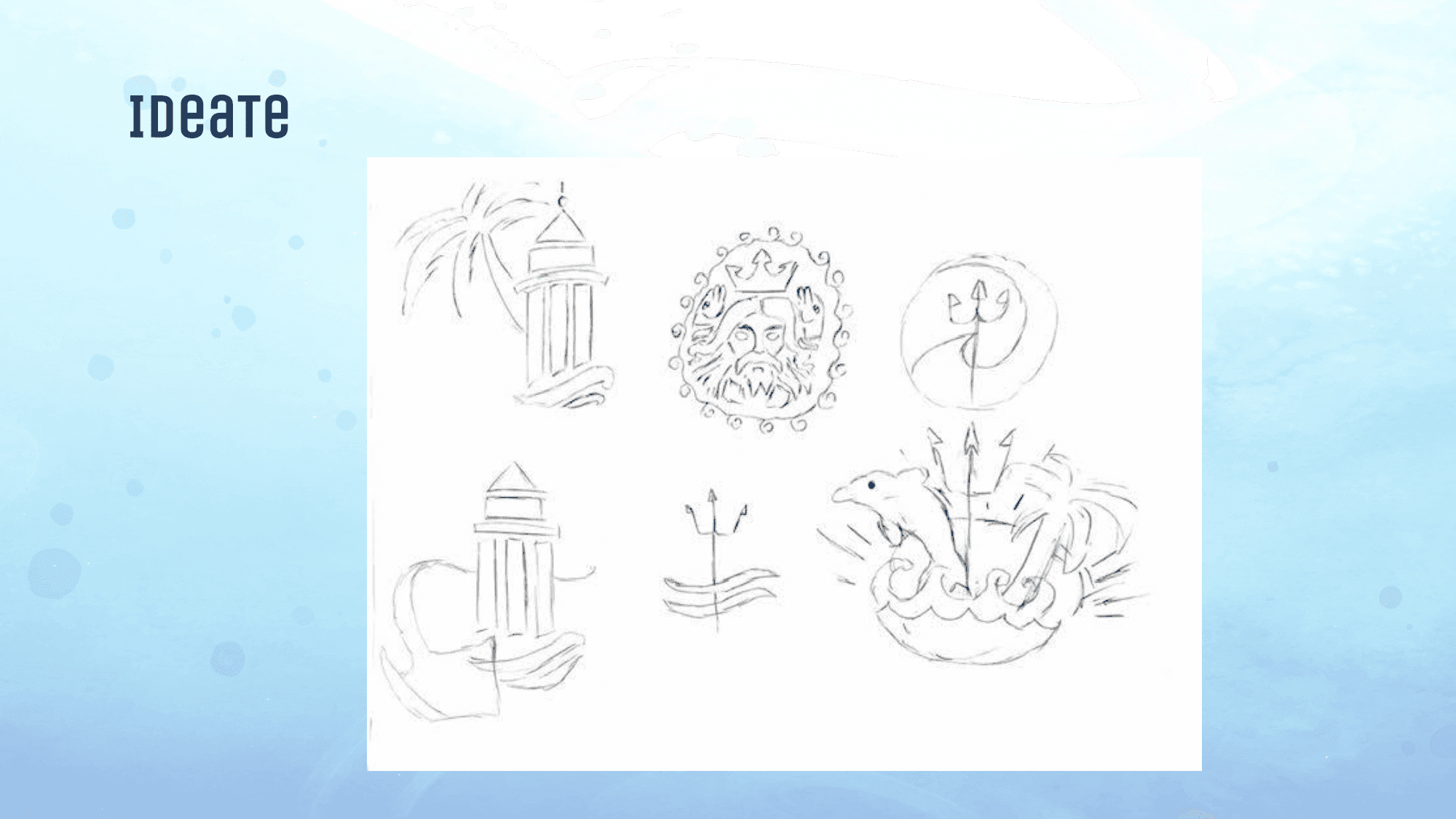
I focused on three recognizable elements of Virginia Beach: its shoreline, maritime landmarks and active beach culture. Rather than using them as separate illustrations, I explored how their shapes could combine into one energetic and flexible visual language.
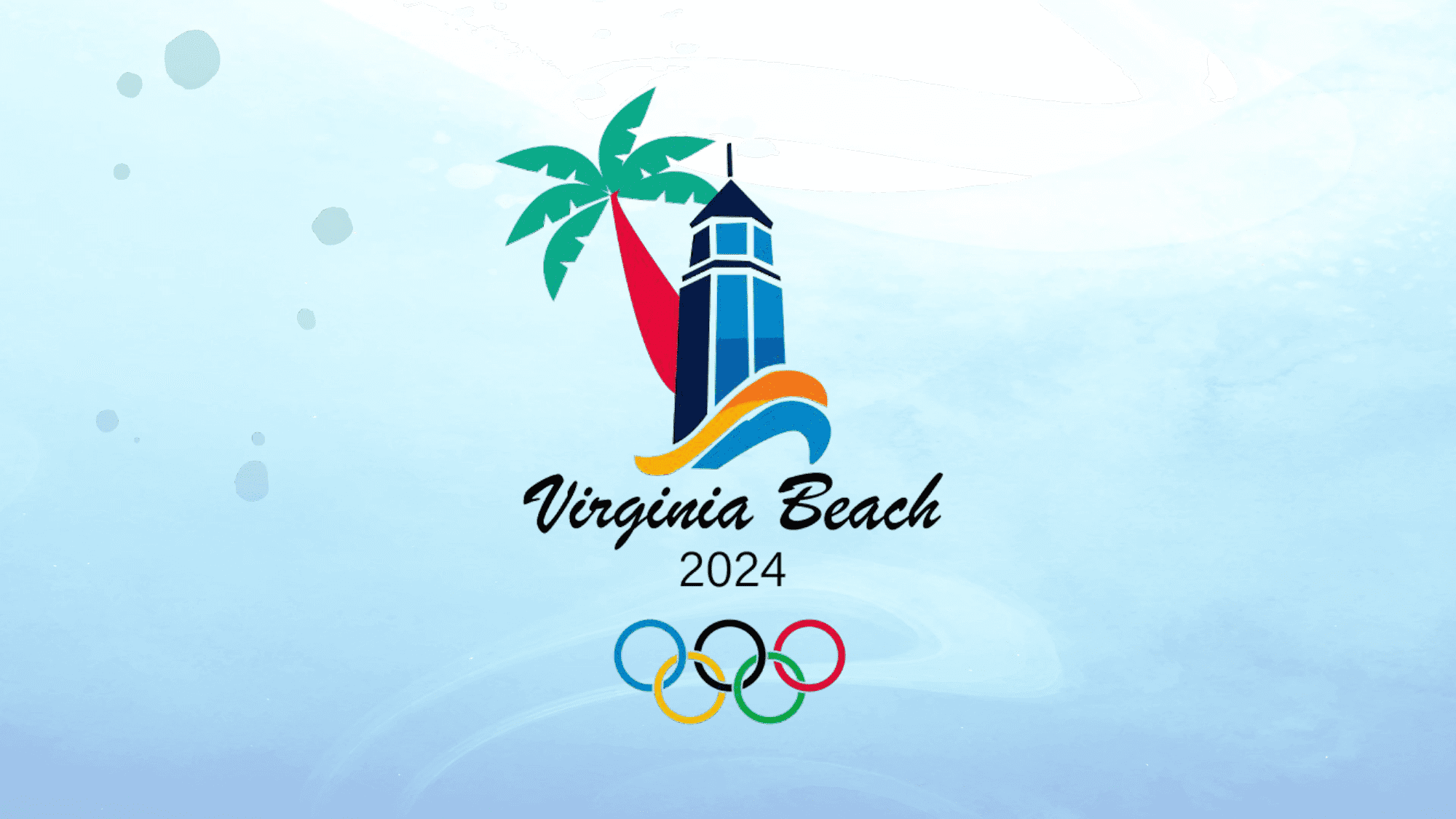
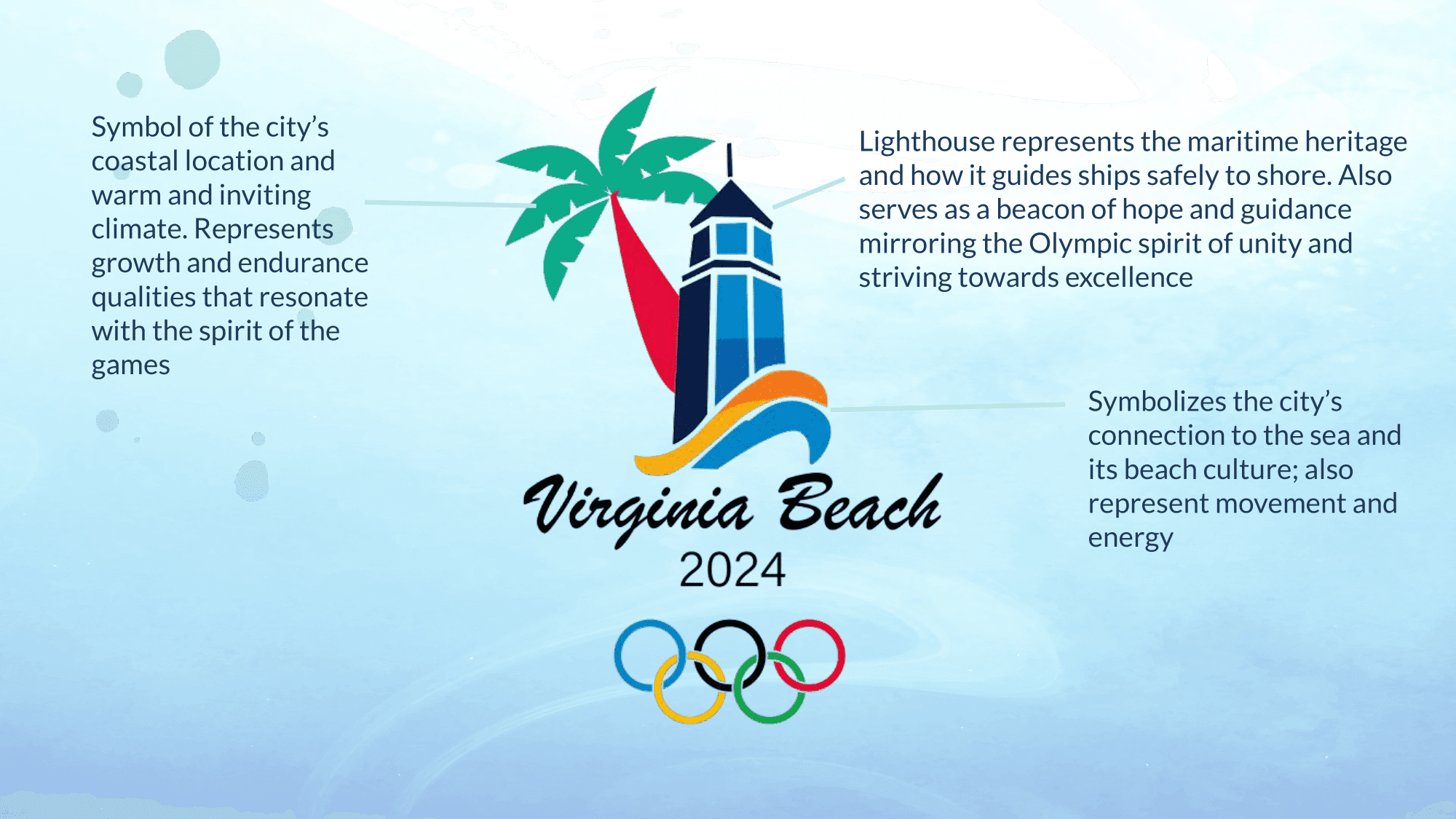
The final mark brings together forms inspired by a lighthouse, palm tree and surfboard. Their vertical silhouettes create a sense of upward motion, while the curved coastal elements keep the identity energetic and approachable.
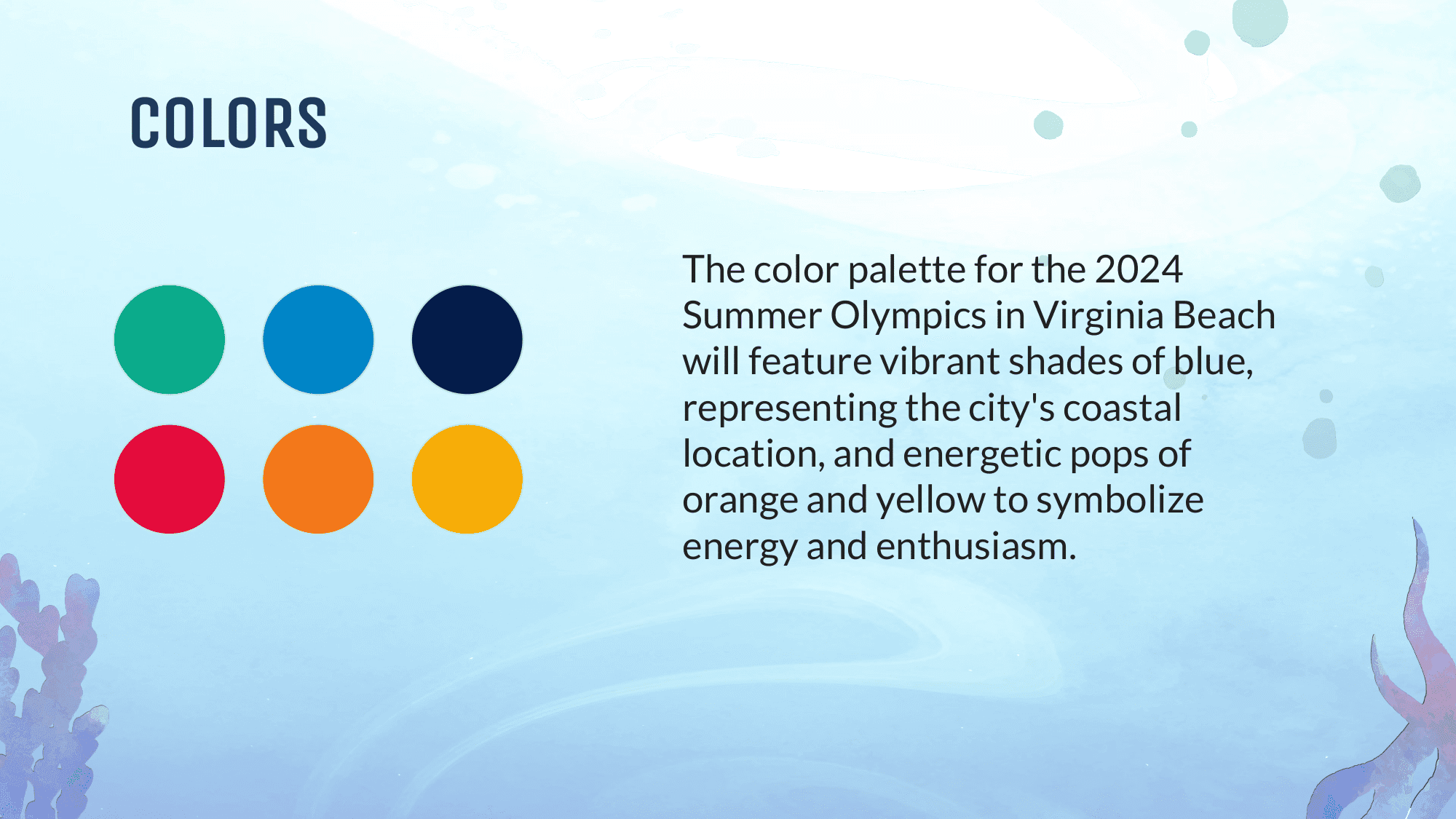
The identity expands through a bright coastal palette, expressive typography and repeating graphic patterns. These elements allow the system to remain recognizable even when the primary mark is not present.
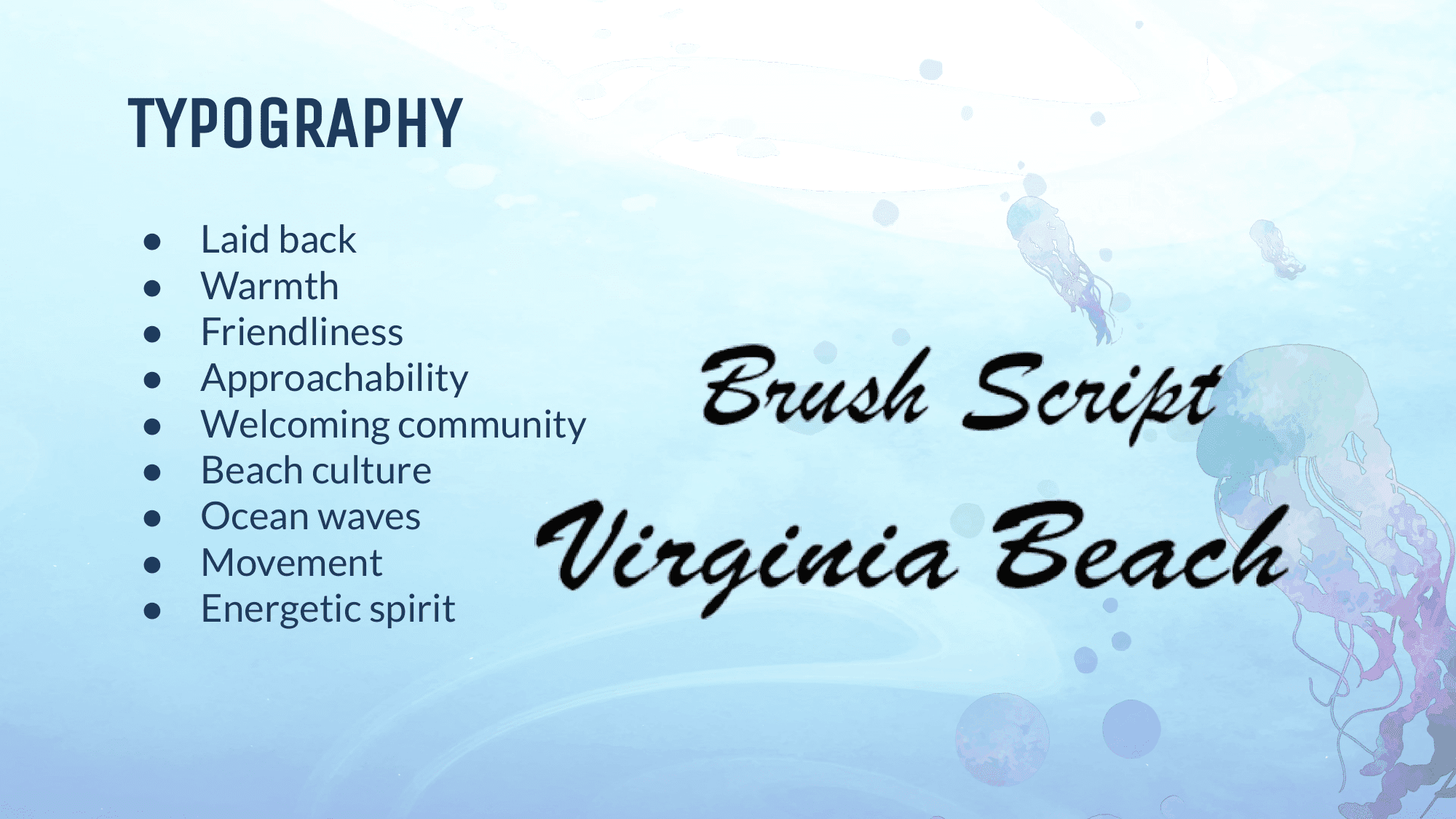
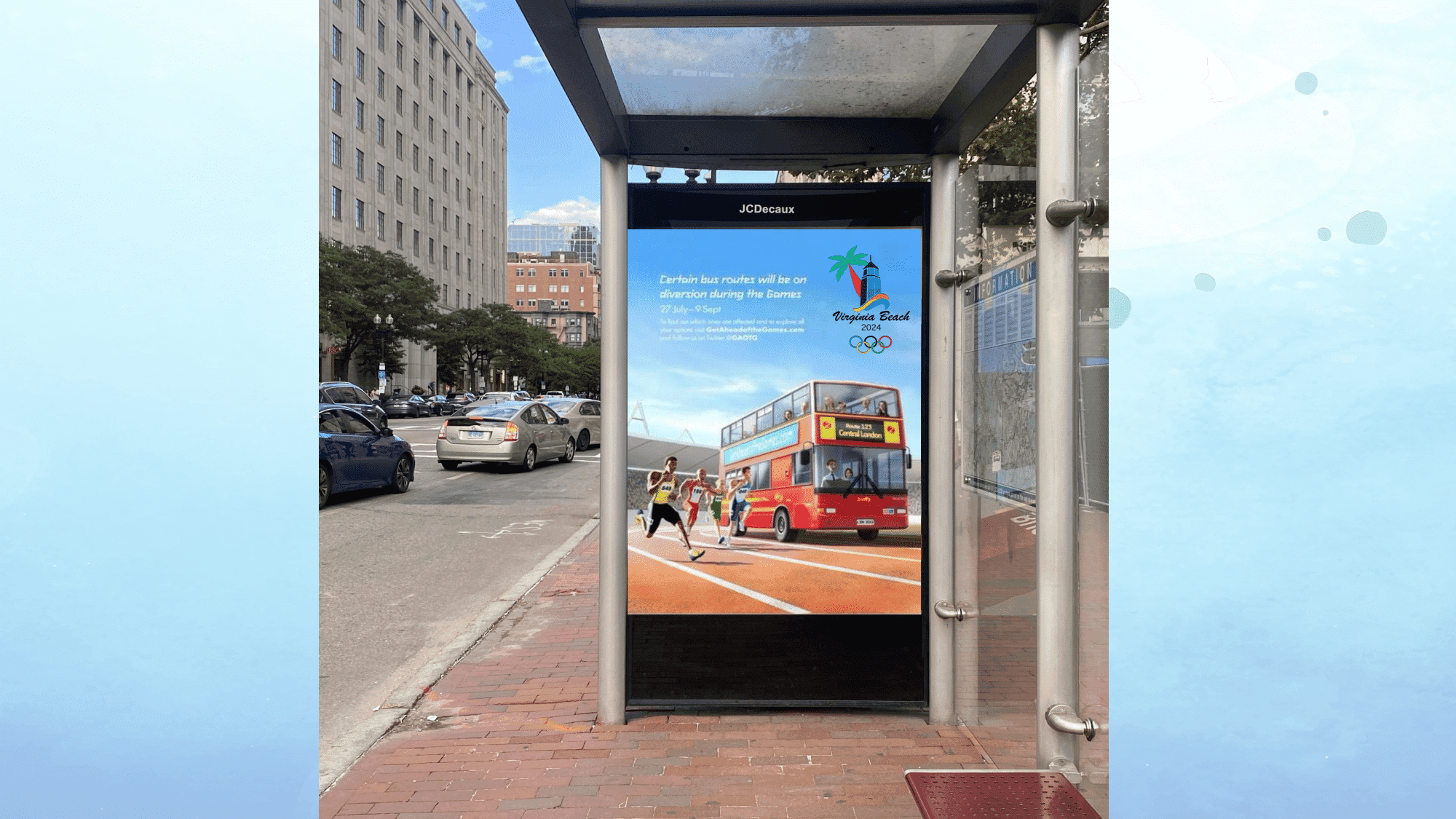
I tested the system across physical, environmental and promotional touchpoints to ensure that it remained cohesive at different scales and in different contexts.
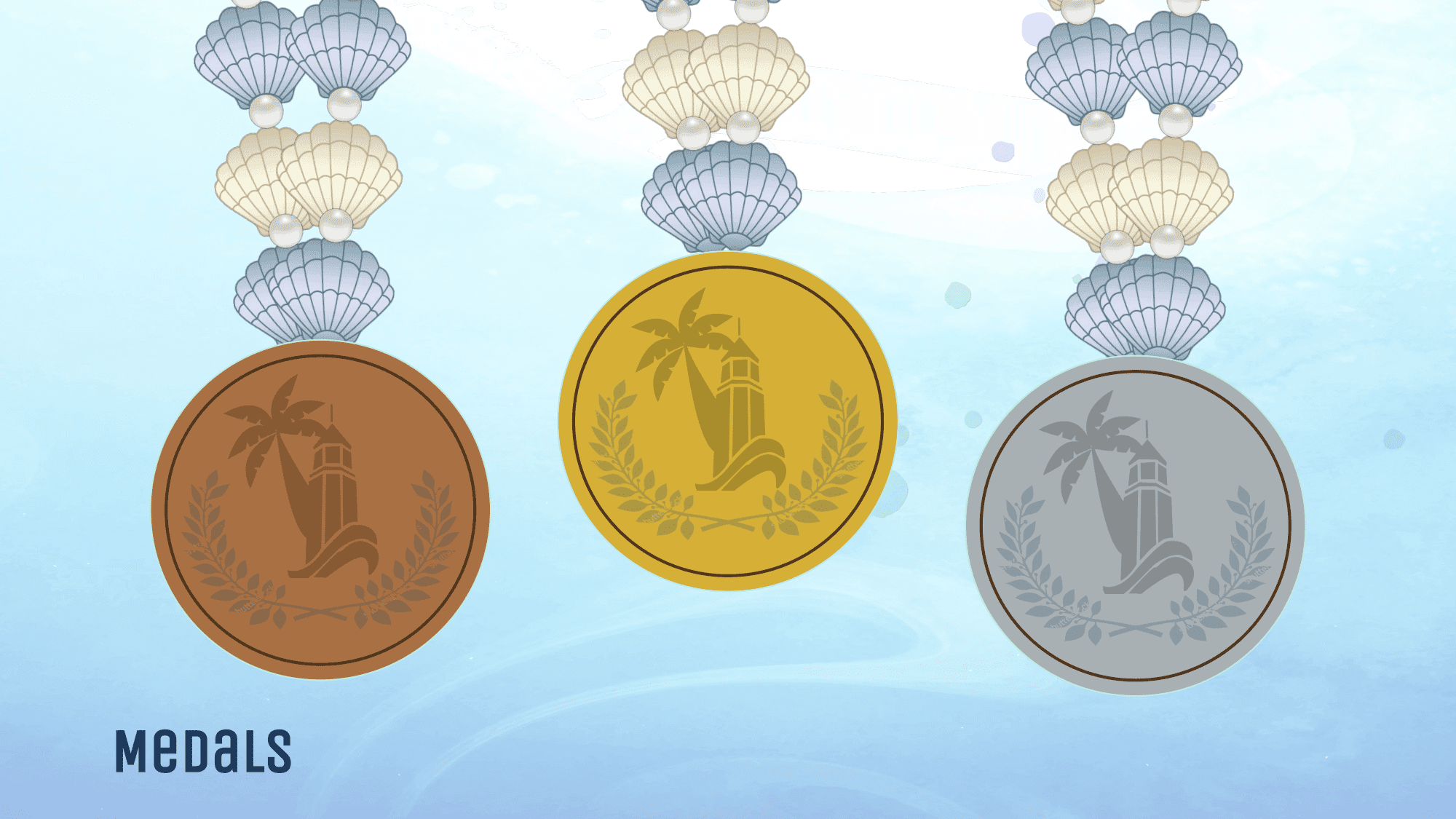
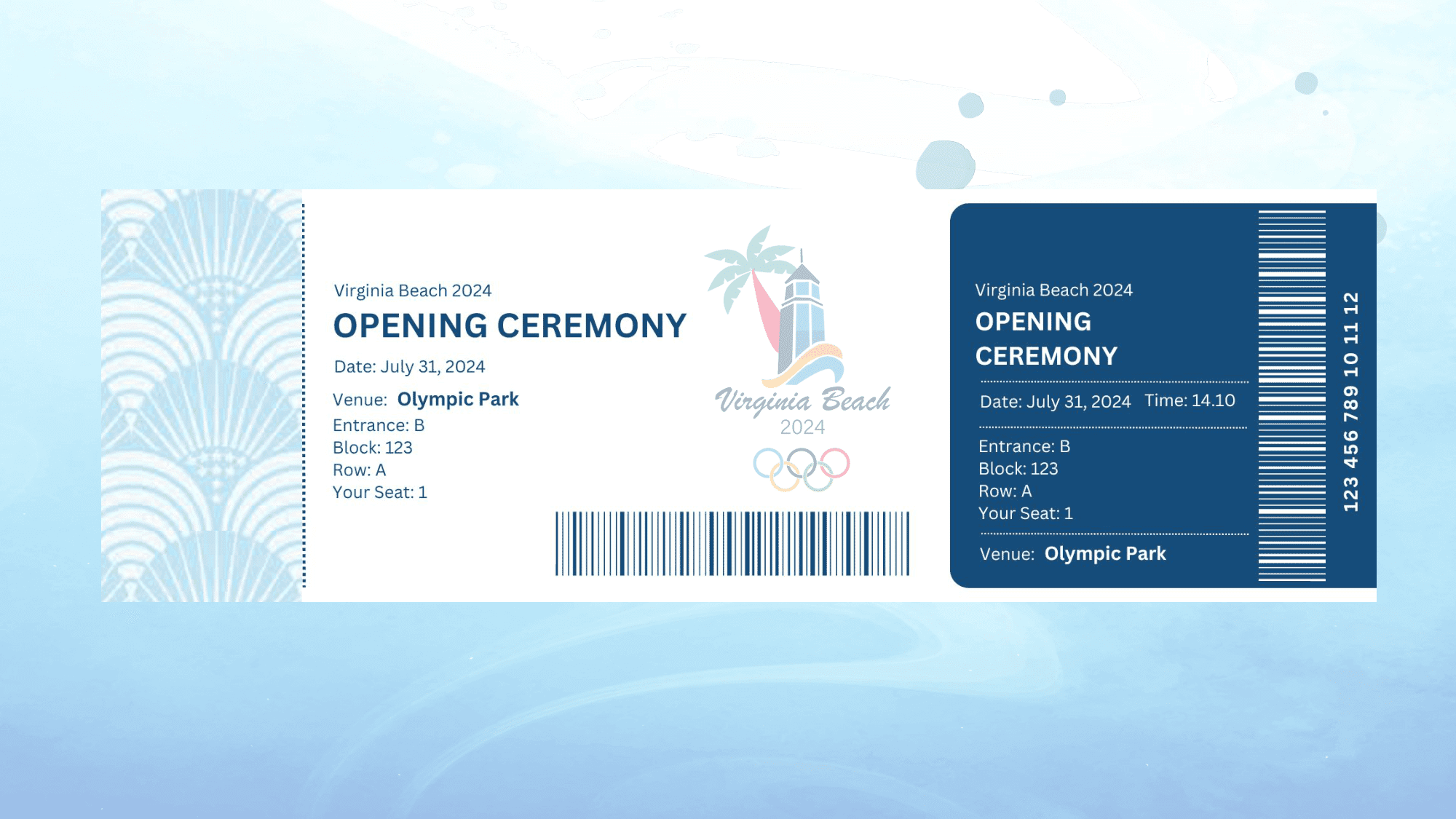
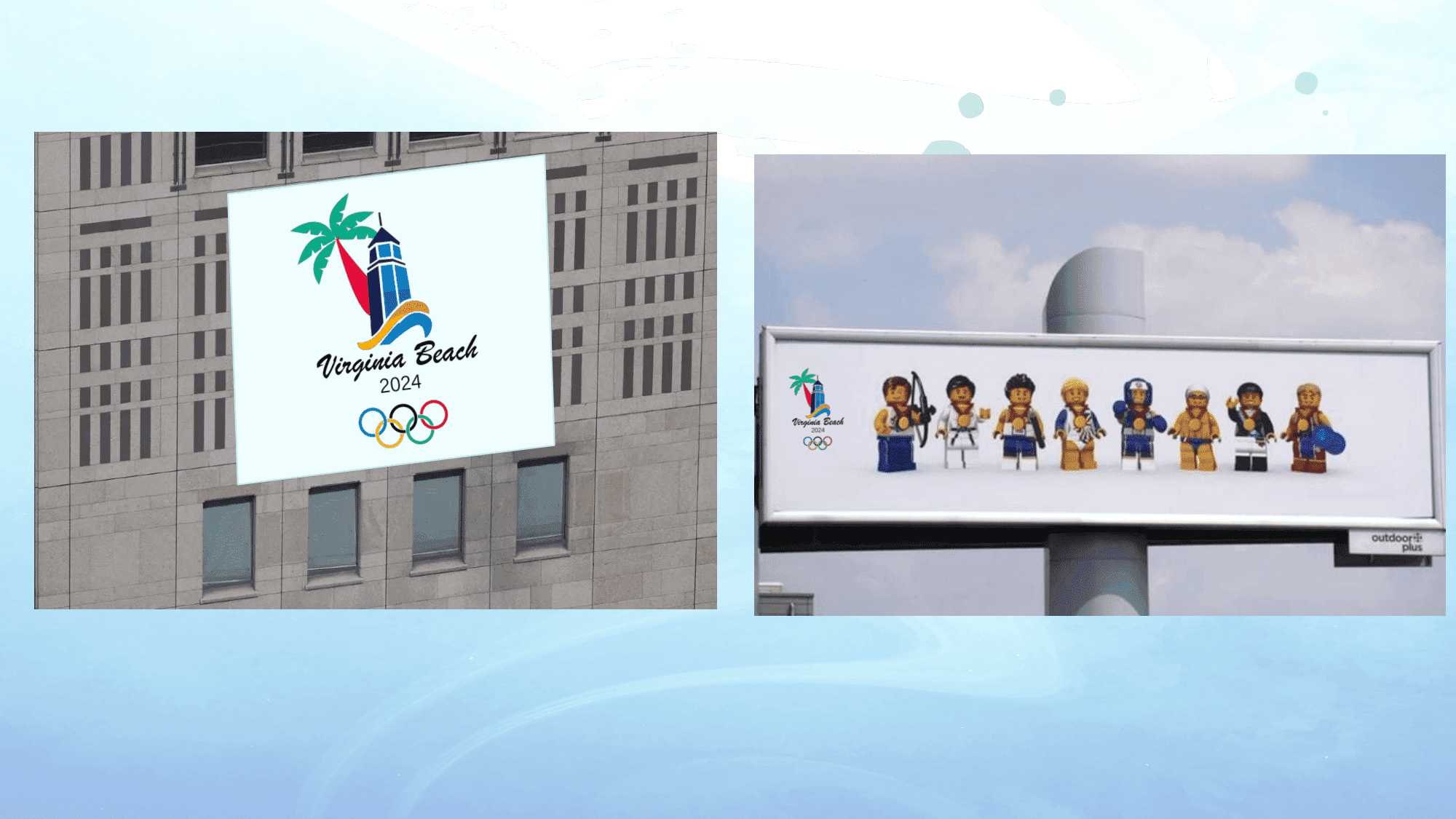
This project strengthened my ability to move from a single visual concept into a complete identity system. The most important lesson was that a successful event identity must do more than look distinctive in isolation—it needs enough structure and flexibility to remain recognizable across many formats, scales and environments.
Looking back, I would expand the system by testing it in motion and developing clearer accessibility standards for color contrast, typography and wayfinding.